Digital marketing
How Can Digital Marketing Turn Online Visitors into Paying Customers?
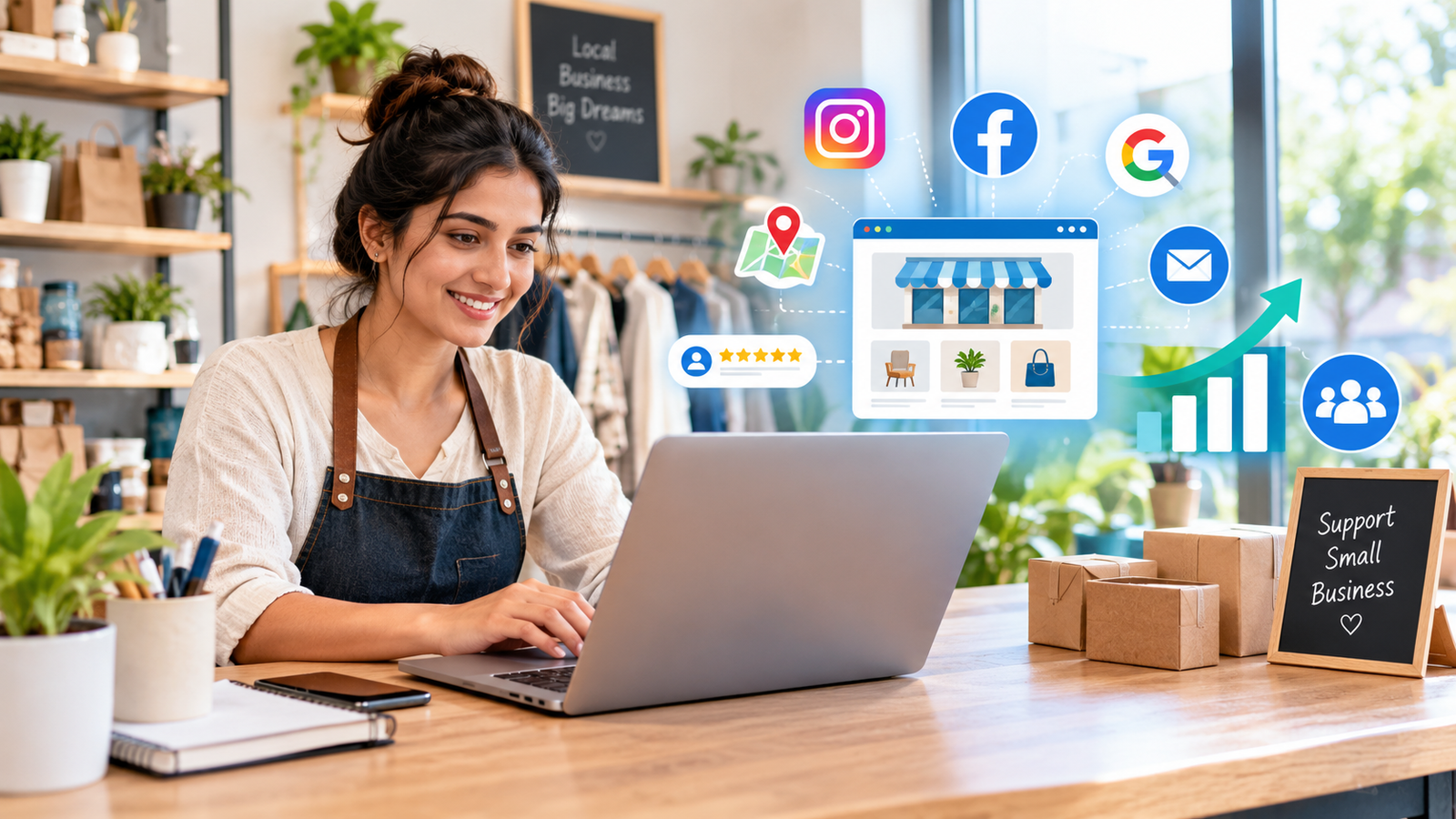
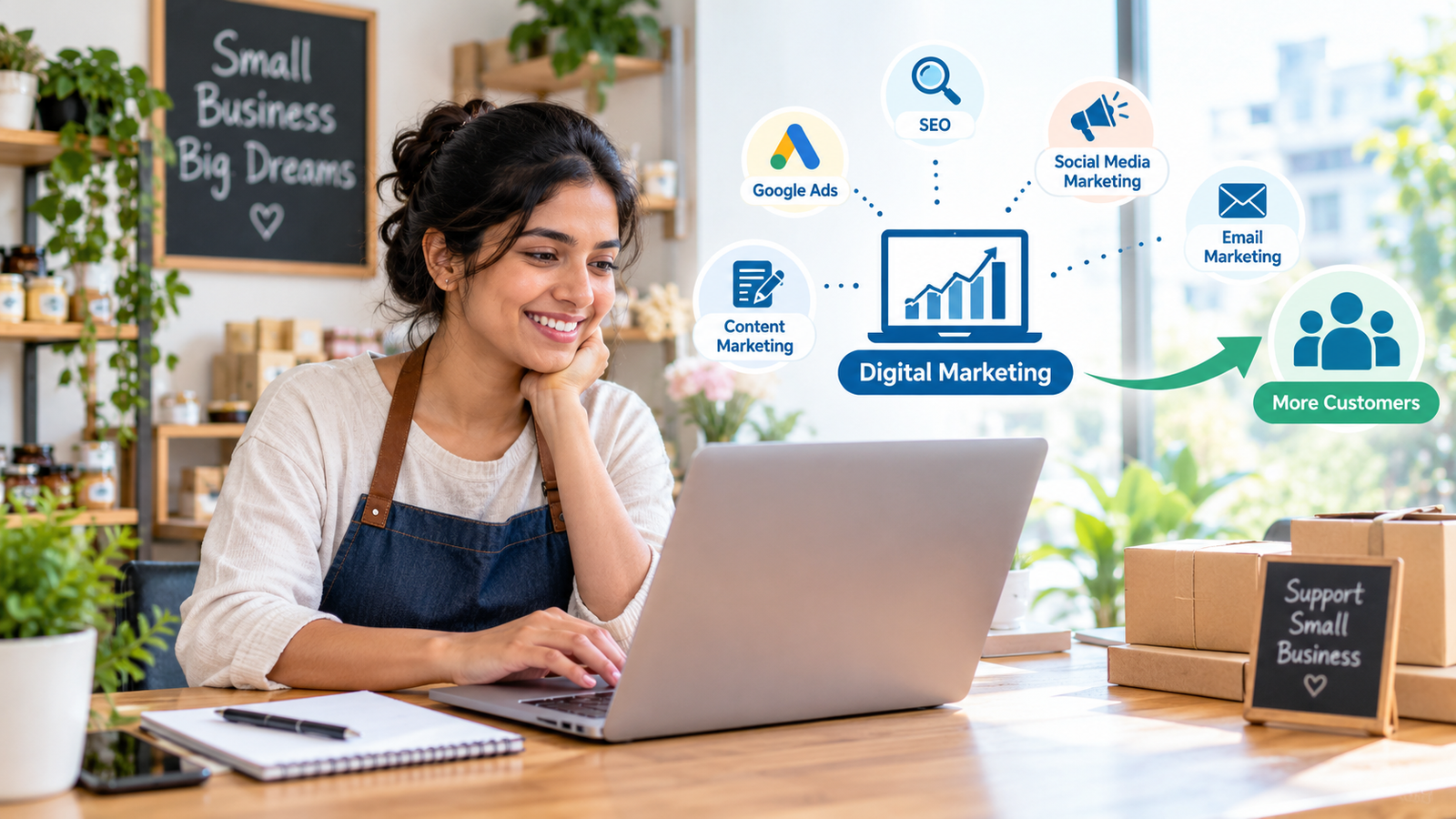
Digital marketing helps small businesses attract customers and generate leads through SEO, social media, and Google Ads.
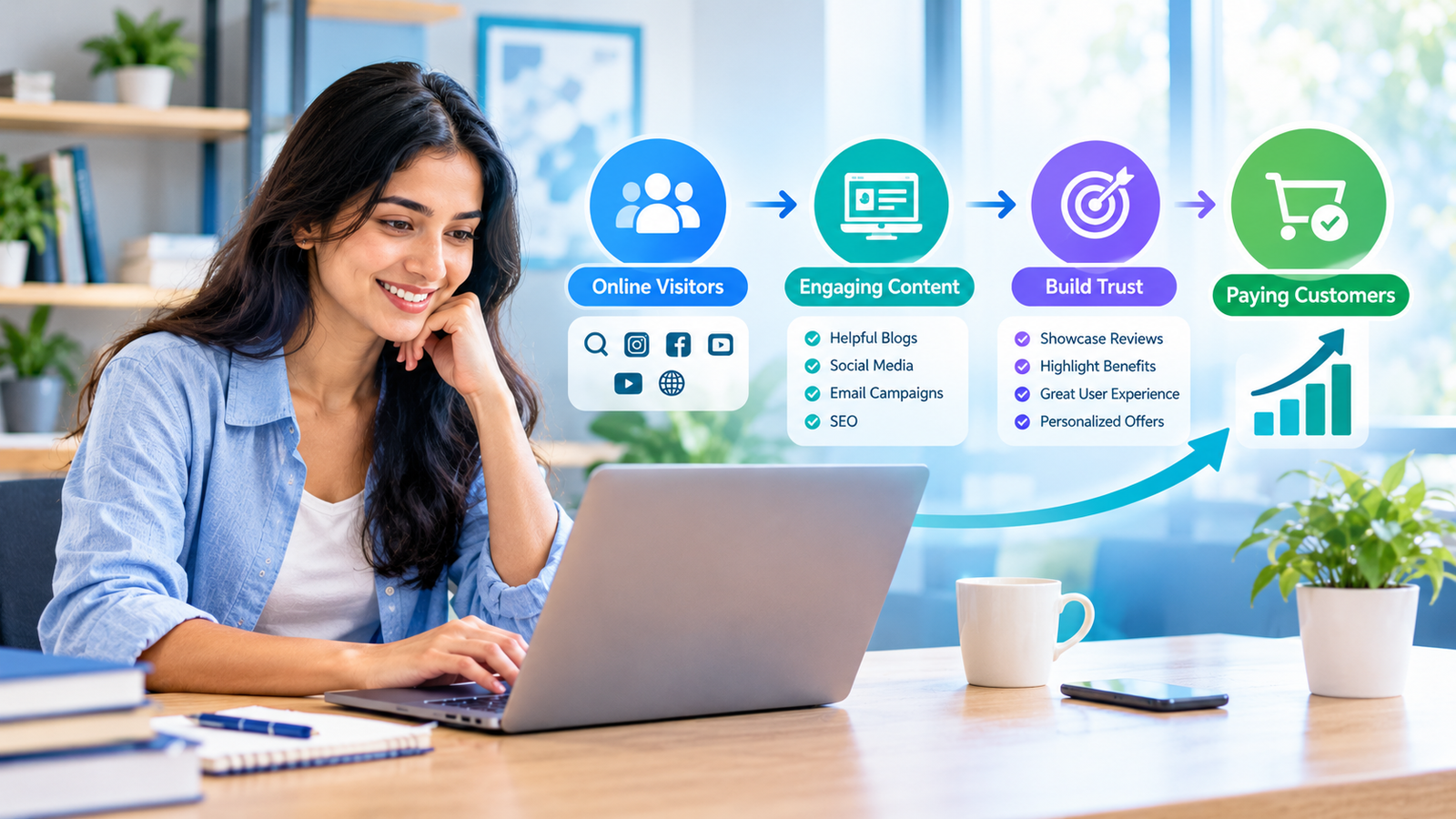
Getting people to visit your website or social media pages is a good start, but is it enough to grow your business? Not necessarily. The real challenge is converting those visitors into customers who trust your brand, enquire about your services, and make a purchase.
Many small businesses invest time and money in online promotion but struggle to generate consistent enquiries. This often happens because they focus only on increasing visibility instead of creating a complete customer journey.
Digital marketing helps businesses attract the right audience, build trust, communicate their value, and encourage potential customers to take action.
For businesses looking to grow in the local market, Digital marketing in Jodhpur provides opportunities to reach nearby customers, improve brand recognition, and generate relevant business enquiries.
Let's explore how you can use digital marketing to turn online attention into real business growth.
1. Understand What Your Potential Customers Are Looking For
Before promoting your business, you need to understand your target audience. Knowing what customers want, what problems they face, and how they search for solutions helps you create more effective marketing campaigns.
Start by identifying:
- Who are your ideal customers?
- What products or services are they searching for?
- What problems do they want to solve?
- Which platforms do they use most?
- What factors influence their buying decisions?
For example, someone searching for affordable interior design services may have different expectations from someone looking for premium home interiors.
When you understand customer needs, you can create relevant website content, advertisements, and social media campaigns that speak directly to your audience.
2. Improve Your Google Search Visibility with SEO
Search Engine Optimization (SEO) helps your business appear in relevant search results when people look for products, services, or information related to your industry.
Unlike paid advertisements, organic SEO focuses on earning visibility through useful content, website optimization, and relevant online authority.
Some important SEO activities include:
- Researching relevant keywords and search intent.
- Optimizing website titles, headings, and descriptions.
- Publishing informative blog articles.
- Improving website loading speed.
- Creating helpful service pages.
- Building relevant and trustworthy backlinks.
- Making your website mobile-friendly.
For example, a local service provider can create dedicated service pages that explain what they offer, who they help, and how customers can get started.
A well-planned SEO strategy can attract visitors who already have an interest in your products or services.
3. Use Local SEO to Connect with Nearby Customers
For businesses that serve a specific city or area, local visibility can directly influence customer enquiries.
Local SEO helps your business appear in location-based searches and Google Maps results when people look for nearby products and services.
To strengthen your local presence:
- Optimize your Google Business Profile.
- Add accurate contact and business information.
- Select relevant business categories.
- Include location-based keywords naturally.
- Upload genuine business and product photos.
- Encourage authentic customer reviews.
- Keep your business details updated.
For example, when someone searches for a nearby service in Jodhpur, an optimized business profile can help your company become easier to discover.
Local search optimization is particularly useful for shops, restaurants, educational institutes, salons, consultants, and other location-based businesses.
4. Create Website Content That Encourages Enquiries
Your website should do more than introduce your business. It should help visitors understand your value and make it easy for them to contact you.
A common mistake is creating website pages that focus too much on the business and not enough on customer needs.
Instead, structure your content around the questions potential customers want answered.
Every important service page should explain:
- What service or product do you offer?
- Who can benefit from it?
- What problem does it solve?
- What makes your business a suitable choice?
- How can someone contact you?
Add clear calls to action such as Request a Quote, Book a Consultation, or Contact Us.
Also, include genuine testimonials, relevant images, and useful information to improve customer confidence.
5. Build Customer Relationships Through Social Media Marketing
Social media is not only a platform for promoting products. It is also a place where businesses can communicate with customers and build brand relationships.
Platforms such as Instagram, Facebook, and LinkedIn offer different ways to showcase your expertise and engage with your target audience.
To make your social media strategy more effective:
- Share useful tips and educational content.
- Create short videos explaining your products or services.
- Highlight customer experiences.
- Post product demonstrations.
- Answer common questions.
- Share business updates and announcements.
For example, a furniture business can share room styling ideas, product demonstrations, and customer projects. These posts give potential buyers useful information while showcasing the brand's expertise.
Consistent and relevant social media activity can help increase brand awareness and encourage people to enquire about your offerings.
6. Reach High-Intent Customers Through Google Ads
Sometimes potential customers are already searching for a particular service and are ready to make a decision. Google Ads can help your business reach these users through paid search advertisements.
You can target relevant search terms, select specific locations, and create advertisements that direct users to dedicated landing pages.
For better campaign performance:
- Choose keywords based on customer search intent.
- Write clear and relevant ad copy.
- Target locations where your business operates.
- Use suitable landing pages.
- Track calls, enquiries, and conversions.
- Review and optimize campaigns regularly.
For example, a business offering professional services can create advertisements for relevant searches and direct interested users to a page explaining its services.
Paid advertising can generate faster visibility, but successful campaigns require careful budget management and continuous optimization.
7. Use Content Marketing to Help Customers Make Decisions
Many customers do not purchase immediately after discovering a business. They compare options, research products, read reviews, and look for information before making a decision.
Content marketing helps businesses support customers throughout this buying journey.
You can publish:
- Educational blog posts.
- Frequently asked questions.
- Product comparison guides.
- Step-by-step tutorials.
- Industry insights.
- Customer case studies.
- Informative videos and infographics.
For example, a digital marketing company can publish articles about SEO, lead generation, website optimization, and online advertising.
This type of helpful content improves user experience, supports organic search visibility, and demonstrates your knowledge of the industry.
8. Build Trust with Customer Reviews and Testimonials
Trust plays an important role in purchasing decisions. Even when customers discover your business through Google or social media, they may look for proof that your products or services are reliable.
Customer reviews and testimonials can provide this reassurance.
You can strengthen your online reputation by:
- Asking satisfied customers for honest reviews.
- Responding professionally to customer feedback.
- Addressing complaints constructively.
- Displaying genuine testimonials on your website.
- Sharing completed projects and customer experiences.
Avoid fake reviews or misleading testimonials. Authentic feedback provides more value and helps build a credible business reputation.
9. Use WhatsApp and Email Marketing for Better Follow-Ups
Not every website visitor becomes a customer during their first interaction. Some people need additional information, a price quotation, or time to compare different options.
This is where follow-up marketing becomes useful.
WhatsApp Business and email marketing allow you to communicate with interested customers and keep them informed.
You can share:
- Product information and service details.
- Appointment confirmations.
- Price quotations and updates.
- New offers and announcements.
- Helpful information related to customer needs.
Timely communication makes it easier for customers to get answers and move forward with their buying decisions.
Always respect customer privacy and obtain appropriate consent before sending promotional messages.
10. Measure Conversions Instead of Just Counting Website Visitors
Website traffic is an important metric, but it does not always indicate business growth.
A website may receive hundreds of visitors without generating meaningful enquiries. Therefore, businesses should focus on tracking actions that contribute to their objectives.
Important metrics include:
- Website traffic from different channels.
- Phone calls and enquiry submissions.
- Organic search clicks and impressions.
- Advertising conversion rates.
- Cost per lead.
- Customer acquisition cost.
- Landing page performance.
Tools such as Google Analytics 4 and Google Search Console can help you understand website performance and identify areas for improvement.
For example, if a service page receives visitors but very few enquiries, you may need to improve its content, contact options, page design, or call to action.
Measuring conversions helps you make informed marketing decisions and invest in strategies that support actual business results.
11. Why Should Small Businesses Work with a Professional Digital Marketing Agency?
Managing SEO, social media, paid advertising, content marketing, and website optimization requires proper planning and consistent effort.
For many business owners, handling all these activities alongside daily operations can become difficult.
Working with a professional Marketing agency in Jodhpur can help you develop a digital strategy based on your industry, target audience, and business objectives.
Professional Digital Marketing Services in jodhpur may include:
- Search Engine Optimization (SEO).
- Local SEO and Google Business Profile optimization.
- Social media marketing.
- Google Ads management.
- Website design and development.
- Content marketing and blog writing.
- Lead generation strategies.
- Website and campaign performance analysis.
Choosing the right Marketing Services in Jodhpur can help you manage your online presence more effectively and reach potential customers through suitable marketing channels.
Before selecting an agency, evaluate its experience, previous projects, communication, reporting methods, and understanding of your business. Choose a marketing partner that focuses on realistic goals and measurable results instead of guaranteeing instant rankings or sales.
12. Combine Different Digital Marketing Channels for Better Results
Relying on just one marketing channel may limit your opportunities to reach potential customers.
A balanced marketing strategy combines different channels to support customers at different stages of their buying journey.
For example:
SEO: Helps customers discover your business through organic search.
Social media marketing: Creates brand awareness and encourages engagement.
Google Ads: Reaches people actively searching for relevant products and services.
Content marketing: Answers customer questions and builds credibility.
Email and WhatsApp marketing: Supports communication and customer retention.
Local SEO: Improves visibility among people searching for nearby businesses.
These channels work best when they support the same business objectives and deliver a consistent message across platforms.
Final Thoughts
Getting more website visitors is only one part of digital marketing. The real objective is to attract the right audience, build trust, generate quality enquiries, and convert potential customers into long-term clients.
By combining SEO, local search optimization, social media marketing, paid advertising, and useful content, small businesses can create a stronger online presence and improve their chances of generating consistent business opportunities.
The key is to understand your customers, provide valuable information, make communication easy, and measure your marketing performance regularly.
With the right strategy and consistent effort, digital marketing can become an important part of your business growth.